Richmond Top Home Architecture Services Focused on Quality and Functionality
Transform Your Home With Experienced Architectural Design Support
Improving a home through professional architecture services involves more than just aesthetics. It requires a deep understanding of functional design and local building codes. Collaborating with an experienced architect can handle frequent problems while increasing property appreciation. The process is systematic and thorough, confirming that every detail aligns with the homeowner's vision. Yet, many homeowners experience difficulty to navigate this undertaking efficiently. What steps can they take to guarantee a successful partnership?
Common Home Design Problems and How Architects Aid
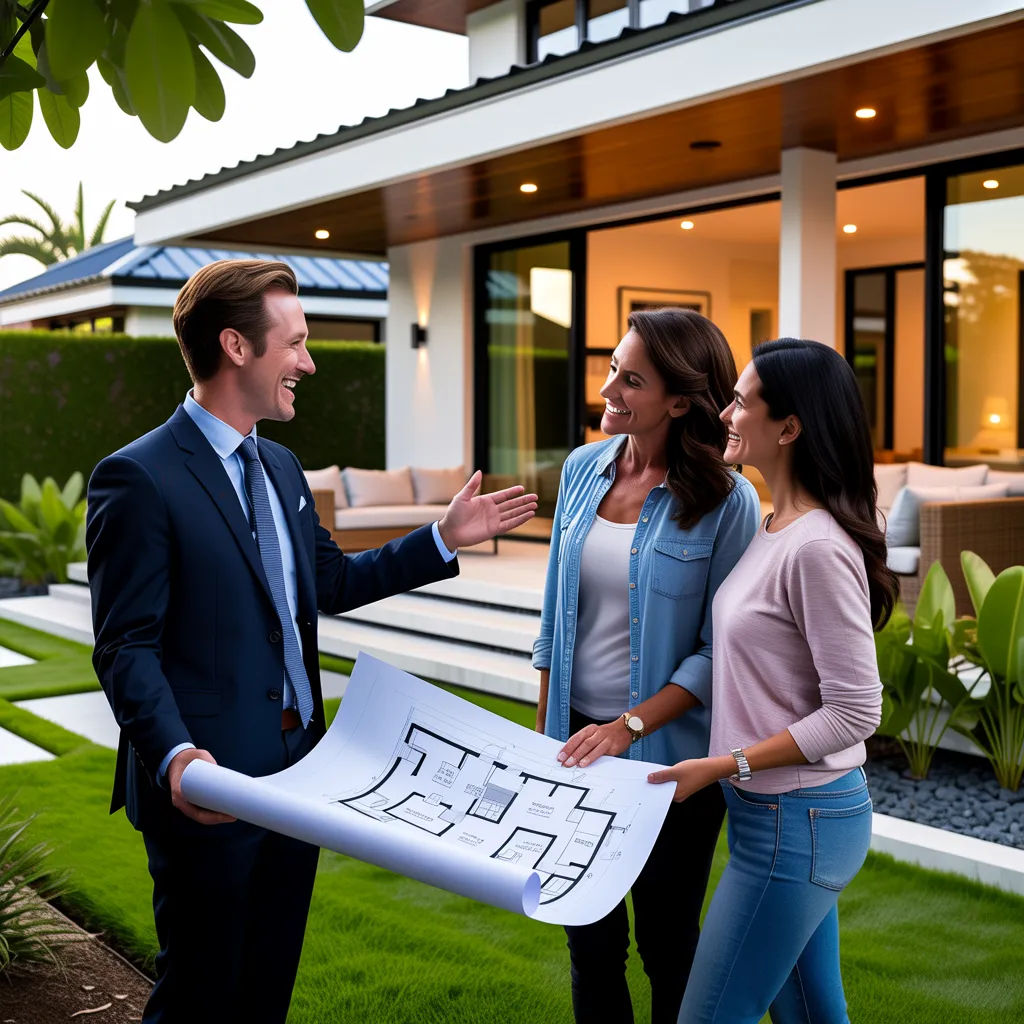
Why is home design so taxing for numerous homeowners? The challenge of aligning aesthetic choices with practical needs often overwhelms them. Homeowners regularly contend with spatial constraints, financial constraints, and compliance requirements, making the design process more complex. Additionally, many are short of the technical knowledge required to manage building considerations and building codes.
Architects execute an essential role in alleviating these challenges. Their training equips them to navigate the intricacies of planning, ensuring that a homeowner's vision aligns with realistic facts. Architects can provide creative solutions to optimize space while adhering to safety norms. They also assist in creating integrated designs that illustrate the homeowner's manner. By communicating insights into substances and construction methods, architects support expedite the decision-making process. In conclusion, their expertise converts a potentially intimidating project into a cooperative undertaking, fostering a harmonious balance between creativity and usefulness in home design.
Benefits of Partnering With a Professional Architect
Engaging a qualified expert strengthens the residential design journey by joining technical expertise with the client's aspirations. Architects deliver a rich background in design principles, construction codes, and sustainable techniques, guaranteeing that the endeavor not only fulfills aesthetic goals but also complies with legal requirements. Their skill in picturing and express elaborate concepts supports translating conceptual ideas into physical designs.
Moreover, architects can offer forward-thinking solutions to spatial challenges, refining usability and arrangement. They also direct the intricacies of the building process, liaising with contractors and suppliers to ensure finances and schedules are followed. This professional management decreases mistakes and lessens the stress tied to home remodeling or construction. Ultimately, partnering with an architect delivers a cohesive, well-crafted space that embodies the homeowner's personality while boosting overall property value.
What Are the Important Phases in the Architectural Workflow?
Why is understanding the architectural process important from initial idea to completion? The experience starts with an initial consultation, where the designer and customer discuss goals, requirements, and financial considerations. This stage is fundamental for establishing a solid direction. Next, the designer conducts location review, assessing factors like topography, climate, and zoning regulations.
After this, the design phase starts. In this phase, sketches and digital models are produced, allowing the client to imagine the project. When the design is approved, the architect develops thorough construction blueprints, featuring specifications and drawings.
After securing necessary permits, the project moves into the building stage. The architect frequently collaborates with contractors to ensure that the plan is implemented correctly. Regular on-site inspections and evaluations help maintain standards and compliance to the original vision. Finally, the project culminates in a inspection, verifying that the finished structure satisfies the client's requirements before the official transfer.
How Do You Locate the Ideal Architect for Your Home?
Locating the ideal architect for a home requires careful consideration and research. Prospective property buyers should begin by establishing their specific requirements and financial plan, which will guide their hunt. Recommendations from acquaintances, family, or real estate professionals can offer useful connections. Online collections of work and reviews assist with evaluating an designer's past projects and customer satisfaction.
Next, potential clients should interview multiple candidates to determine their communication style, experience, and approach to design. It's essential to discuss timelines and project expectations to establish alignment. In addition, verifying qualifications and verifying relevant licenses and certifications can circumvent future complications.
Finally, property owners should rely on their instincts. The perfect architect should not only possess the required skills but also resonate with the homeowner's vision and values. This collaboration creates a collaborative environment, eventually leading to a successful partnership in creating a ideal residence.
Techniques to Relay Your Vision Powerfully
Communicating a objective for home design proficiently is indispensable for a successful cooperation between property owners and architects. To achieve this, property owners should begin by explicitly specifying their requirements and preferences. Assembling a visual collection with images, pigments, and materials can support conveying aesthetic goals. Additionally, outlining functional criteria, such as space allocation and layout, guarantees that the specialist understands practical components.
Home owners should also take part in candid conversations, encouraging inquiries and input to enhance their concept. Frequent discussions throughout the planning phase promote teamwork and openness. Using straightforward language to convey thoughts and worries can avert confusion and help align goals.
To summarize, maintaining openness to the architect's competence allows for a more dynamic exchange of ideas. By combining personal vision with professional insight, homeowners can develop a constructive relationship that delivers a beautifully designed space reflecting their aspirations.
How to Plan finances for Architecture Services
When initiating a home design project, creating a budget for architecture services is vital to prevent monetary burden later. Homeowners should begin by researching typical fees in their area, which can vary based on the project's complexity and the architect's experience. It is prudent to allocate a percentage of the overall project cost specifically for architectural services, typically ranging from 5% to 15%.
Next, prospective clients should determine the scope of services called for—whether they desire full design and project coordination or only initial consultations. Maintaining open discussions with potential architects concerning their payment structures can provide understanding on expenses.
Additionally, property owners should consider potential revisions and unexpected expenses, building a buffer into the budget. By clearly defining their financial parameters upfront, clients can guarantee they select an design professional who aligns with their vision while staying inside their financial boundaries.
Popular Inquiries Asked Often
What Selection of Structural Style Can I Select for My Home?
Homeowners may pick from diverse building designs, including modern, traditional, colonial, Mediterranean, and contemporary. Each style delivers distinctive aesthetics and performance, permitting individuals to express personal taste while accounting for regional influences and environmental factors.
What Duration Does the Building Design Process Typically Demand?
The architectural process typically takes several months, depending on project complexity, design approvals, and local regulations. Elements such as client input and construction schedules can also influence the timeline significantly during the entire process.
Can Architects Contribute To Environmentally conscious Development Choices?
Architects can truly help with sustainable comprehensive resource design options. They include environmentally responsible materials, energy-efficient systems, and innovative layouts, ensuring projects minimize environmental impact while enhancing functionality and aesthetic appeal, aligning with clients' sustainability goals effectively.
What Requirements Should I Seek in an Design Professional?
When appointing an architect, one should factor in their education, licensure, experience in relevant projects, portfolio showcasing design style, and comprehension of local architectural guidelines. Capacity for clear communication and client testimonials also hold significant importance in the decision-making process.
In What Ways Do Design Experts Navigate Zoning and Permit Matters?
Architects manage regulatory challenges by performing comprehensive analysis on local regulations, assembling required paperwork, and liaising with municipal authorities. Their expertise ensures compliance, streamlining the approval process for client projects effectively.